
Syngenta Hired Guns Attack New Documentary
For Immediate Release:
May 11, 2012
Contact: Paul Towers, Pesticide Action Network, 916-216-1082
Syngenta Hired Guns Attack New Documentary
PR firm and paid spokespeople mount aggressive response to new film "Last Call at the Oasis"
San Francisco, CA -- As a new film highlights water contamination throughout the U.S. Midwest from Syngenta's flagship herbicide atrazine, the world's largest pesticide company has mounted a PR counter-attack downplaying the human and environmental health risks of a chemical linked to birth defects, low birth weight and certain cancers. Atrazine was banned in the EU in 2003, leaving the U.S. market as one of Syngenta's most profitable and vigorously guarded markets.

 In the past few weeks, the shooting death of Trayvon Martin exploded on the national stage. George Zimmerman, the neighborhood watch captain who shot and killed Martin, kept his head down and did not do any interviews. Few spoke on his behalf, until
 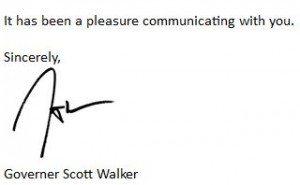 Even before a recall election prompted by some 1 million Wisconsin residents has been scheduled, Wisconsin Governor
 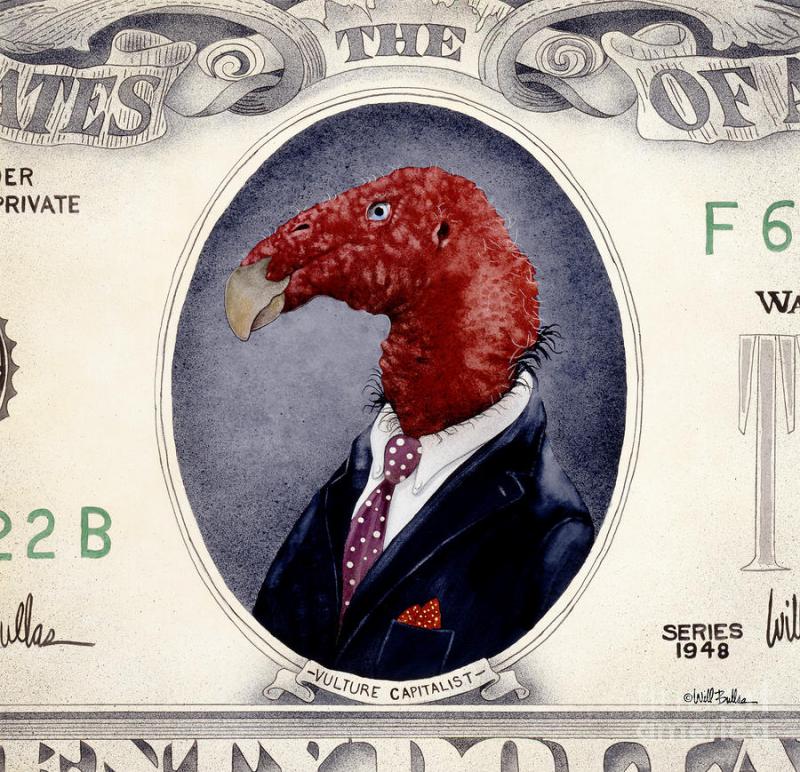 The candidacy of Mitt Romney for President of the United States has drawn scrutiny to the practices of the "private equity" industry. Tired of being bashed as greedy "vulture capitalists," the industry has launched an effort to polish its image.
 With its stock scraping bottom at just over $6.00 a share, its image reeling from a failed attempt to to stick its customers with a $5.00 per month debit card fee, and accusations of thousands of fraudulent foreclosures,
  Corporate spinmeisters may take note of a new study out this month by University of Missouri and University of Singapore researchers. They studied readers' reaction to various news articles and found that the subtle way in which journalists report on crises -- like oil spills, plane crashes or product recalls -- can affect the public's attitude towards the corporation involved in the crisis. Not surprisingly, the public tends to respond more favorably towards a corporation if the story is given a "sadness-frame," meaning if it centers around the plight of the victims and how relief is being delivered. By contrast, if a story focuses on the corporation's contribution to the crisis, including laws that were potentially broken and possible punishment, it elicits a more negative attitudes towards the corporation. The research may prove useful to corporate criminals as well as accident-prone industries. "It is important for corporations to put on a human face during crises," Cameron said. "If a corporation can focus on the well-being of the victims and how the corporation will improve following the crisis, they have a better chance of influencing 'sadness-frame' news coverage as opposed to 'anger-frame' coverage. If the news coverage remains 'sadness-framed,' public perception will stay more positive." Watch for this spin in your local news and keep us
  Confronted with a report by